Reviewing Denver Service Providers Providers for Makeover and also New Development
Denver has a particular way of testing a https://martinwqfp512.swiftnestly.com/posts/general-contracting-services-denver-what-they-consist-of-and-also-why-they-issue builder. The city asks for polish, but it also asks for stamina. A renovation in Country Club may involve plaster walls, narrow alleys, mature landscaping, and a homeowner who wants the new millwork to feel as if it has always belonged. A new construction project in Hilltop, Cherry Creek, or Observatory Park may begin with a clean site, yet quickly become a precise orchestration of soils reports, energy code requirements, architectural review, drainage, weather windows, and finish schedules that leave little room for casual management.
That is why comparing Denver Contractors Services is not merely a matter of collecting three bids and choosing the middle number. The more useful question is whether a contractor’s experience, temperament, systems, and trade relationships match the type of project you are about to undertake. Renovation and new construction share a vocabulary, but they do not share the same rhythm. The best General Contractor Denver homeowners can hire for a delicate historic remodel may not be the same team best suited for a ground-up contemporary residence with structural steel, oversized glazing, and a compressed delivery schedule.
After years of seeing projects succeed or stumble, one truth becomes clear. A contractor’s value is rarely contained in the first proposal. It appears later, when framing exposes an old chimney no one expected, when a long-lead appliance slips by six weeks, when a neighbor challenges site access, or when a client decides that the primary bath stone should continue bookmatched through the shower niche. Good contractors absorb complexity without letting the project lose its elegance.
The Denver building environment rewards preparation
Denver’s construction market is sophisticated, but it is not simple. The city’s neighborhoods vary dramatically in age, lot size, zoning conditions, utility constraints, architectural expectations, and permitting pace. A 1920s bungalow in Park Hill, a pop-top in Sloan’s Lake, a scrape-and-build in Washington Park, and a luxury infill residence in Cherry Creek may all sit within the same metro area, yet each asks for a different contracting approach.
This is where experienced Colorado General Contractors distinguish themselves. They understand that construction in the Front Range is shaped by freeze-thaw cycles, expansive soils, intense sun exposure, sudden hail, water management, and the realities of building at elevation. Exterior materials, foundation strategy, window specifications, insulation assemblies, and mechanical systems all require Colorado-specific judgment. A contractor who built beautifully in another region may still need time to learn what Denver punishes.
Permitting is another decisive factor. Denver’s review process can be methodical, particularly for additions, ADUs, zoning-sensitive lots, landmark districts, and projects requiring structural or wastewater review. Building Contractors Denver clients trust tend to plan for that timeline rather than pretend it will disappear. They also know when to bring the architect, engineer, surveyor, and expeditor into the same conversation early, before drawings become expensive to revise.
For renovation work, preparation means studying what exists before promising what can be done. For new construction, it means turning a blank site into a controlled sequence before the first excavation. Both require sophistication, but the risks collect in different places.
Renovation contracting is an art of restraint
A fine renovation is not simply demolition followed by replacement. It is a negotiation between what should remain, what must change, and what can be elevated without damaging the home’s character. In Denver’s older neighborhoods, this work often requires a quieter kind of expertise. The contractor must know how to open walls surgically, protect original floors, match trim profiles, blend masonry, and coordinate mechanical upgrades without making the house feel overworked.
Many homeowners begin a renovation with visible goals: a larger kitchen, a more serene primary suite, a finished basement, better indoor-outdoor flow. The deeper value of hiring seasoned Contractors in Denver appears when those visible goals meet hidden conditions. Knob-and-tube wiring may be discovered behind plaster. Existing floor joists may not meet the needs of a new stone island. Old supply lines may be serviceable today but unwise to bury behind expensive tile. A contractor who specializes in renovation will not treat these moments as inconveniences. They will treat them as part of the work.
The best Denver General Contractors approach renovation with investigative discipline. They may recommend exploratory openings before final pricing. They may ask for structural review earlier than the owner expected. They may question whether the proposed ceiling detail allows enough room for ductwork. This can feel cautious at first, especially to clients eager for quick numbers, but caution before construction often prevents drama during construction.
Luxury renovation also requires emotional intelligence. People frequently live in the home during part of the work, or they maintain close involvement because the house carries personal history. A refined Contractor Denver CO homeowners can trust will manage dust control, daily cleanup, temporary utilities, access, privacy, and communication with the same care they bring to cabinetry and stone. On occupied renovations, the difference between an average contractor and an excellent one may be visible in the way the site feels at 5 p.m. On a Thursday.
New construction demands orchestration from the ground up
New construction offers the appeal of freedom. The owner is not bound by an existing floor plan, outdated structure, or previous remodels of questionable quality. The architect can shape the home around light, views, entertaining, privacy, art, wellness, and long-term living. Yet that freedom brings its own demands. A ground-up project has more moving parts than most clients expect.
Denver General Construction Contractors working on new homes must manage the chain from site preparation through certificate of occupancy with precision. Excavation, shoring if needed, foundation, framing, roofing, rough mechanicals, exterior envelope, insulation, drywall, millwork, finishes, landscaping, and commissioning all depend on sequencing. If the windows are late, the interior schedule suffers. If the steel shop drawings are slow, framing stalls. If utility coordination is overlooked, the most beautiful design can sit waiting for service connections.
On luxury new construction, the tolerance for improvisation is low. Oversized doors must align with finished floors. Linear diffusers must coordinate with lighting plans. Slab stone selections must be made early enough to support fabrication. Smart home wiring, motorized shades, hydronic heat, wine storage, exterior heaters, and pool equipment may all involve specialists who need access at the right moment. Strong General Contracting Firms Denver owners rely on do not merely supervise trades. They choreograph them.
A new home also places heavy responsibility on preconstruction. The contractor should be involved before drawings are fully complete, especially when budget, schedule, and constructability matter. Pricing a finished set of plans is useful, but shaping decisions before they become fixed is often where the greatest savings and quality improvements occur. Experienced Colorado Contractors can flag whether a proposed exterior cladding system suits the budget, whether a cantilever is likely to trigger structural cost escalation, or whether a design detail will become vulnerable in Denver’s climate.
Comparing proposals without being seduced by the wrong number
Contractor proposals can look deceptively similar from a distance. They may all include framing, electrical, plumbing, drywall, finishes, overhead, and fee. Yet the substance behind those categories can vary widely. One proposal may include realistic allowances for luxury plumbing fixtures, while another quietly assumes mid-range selections. One may include robust site protection and supervision, while another leaves those costs vague. One may carry adequate contingency for renovation unknowns, while another appears lean because it has ignored them.
For high-end projects, the lowest bid is often not the least expensive outcome. It may simply be the least complete interpretation of the work. That does not mean the highest bid is automatically superior. Some contractors carry heavy overhead or price defensively when a project does not fit their schedule. The goal is not to reward costliness. The goal is to understand scope, assumptions, risk, and professionalism.
When comparing General Contracting Services Denver providers, insist on clarity. Ask what is excluded. Ask how allowances were determined. Ask which subcontractors are already engaged. Ask how changes are priced. Ask whether supervision is full-time or periodic. Ask how often the schedule is updated and how selections are tracked. These questions reveal more than a polished brochure.
A good proposal should feel like the contractor has actually read the drawings, walked the site, considered the owner’s priorities, and thought through the sequence. Generic pricing is a warning sign. So is excessive vagueness wrapped in charm.
Renovation versus new construction: where the risks differ
The central distinction between renovation and new construction is where uncertainty lives. In renovation, uncertainty hides inside the existing home. In new construction, uncertainty tends to live in planning, coordination, site conditions, and selection timing. Both can affect budget and schedule, but they require different habits from the contractor.
| Project type | Primary risk | Contractor strength that matters most | |---|---|---| | Renovation | Hidden conditions inside walls, floors, foundations, and old systems | Diagnostic skill, flexibility, protection of existing finishes, careful communication | | New construction | Sequencing, long-lead materials, site logistics, design coordination, approvals | Preconstruction planning, schedule control, subcontractor depth, documentation | | Luxury remodel | Blending old and new without visual compromise | Craft sensitivity, finish matching, client care | | Luxury new build | Integrating architecture, systems, and finishes at scale | Technical coordination, high-end trade network, disciplined project management |
A renovation contractor needs patience with discovery. A new construction contractor needs command over momentum. The rare firm that does both well will have distinct processes for each rather than treating every job the same.
For example, a kitchen renovation in an older Denver home may require the contractor to protect adjacent rooms, create a temporary kitchen, phase demolition, and coordinate inspections without disrupting the entire household. The same firm handling a new custom residence may instead focus on early procurement of windows, structural steel, roof assemblies, and mechanical equipment. The superintendent’s daily life differs. The communication rhythm differs. The client’s stress points differ.
The importance of preconstruction services
Preconstruction is where many luxury projects are either disciplined or quietly compromised. It is the stage when decisions are still relatively inexpensive to adjust. Once trades are mobilized and materials are ordered, every change carries more consequence.
For renovations, preconstruction may include site walks with key trades, review of existing structural conditions, budget alignment with finish expectations, phasing plans, temporary living considerations, and exploratory demolition. For new construction, it may include value analysis, constructability review, preliminary scheduling, bid packaging, subcontractor input, and identification of long-lead materials.
This is why General Contract Services Denver CO clients request should include more than a final build price. A contractor who joins early can help the architect and owner make informed choices before the project becomes locked into a design that exceeds the budget. In the luxury market, value engineering should not mean stripping out beauty. Done well, it means protecting the design intent while finding smarter methods, better sequencing, or more appropriate materials.
One memorable example involved a Denver renovation where the owner wanted a steel and glass rear addition to connect a traditional brick home to the garden. The initial concept was striking, but the steel package and glazing system pushed the budget beyond comfort. A skilled general contractor worked with the architect to adjust spans, simplify a few connection details, and preserve the visual lightness of the design. The finished room still felt gallery-like, but the project avoided six figures of unnecessary structural complexity. That is the quiet power of strong preconstruction.
What luxury clients should expect from communication
High-end construction is personal. Clients are not buying square footage alone. They are making decisions about how they will wake, cook, entertain, bathe, work, host family, and move through daily life. The contractor’s communication must honor that level of investment.
The finest Denver Contractor Services include a clear cadence of updates. Weekly meetings are common on complex projects, supported by written notes, updated schedules, decision logs, budget tracking, and photo documentation. The owner should never have to wonder whether the tile was ordered, whether the inspection passed, or why no one was on site for two days. Silence breeds anxiety, even when the work is progressing normally.
Communication also requires taste. A contractor should know which decisions need the owner’s attention and which should be resolved by the project team. Luxury clients rarely want to be buried in minor trade chatter, but they do want transparency on cost, schedule, and design implications. A good project manager filters noise without hiding reality.
When comparing Contractors Denver homeowners commonly interview, pay close attention to how they communicate before a contract is signed. Do they answer directly? Do they document assumptions? Do they explain trade-offs? Do they listen to how you live, not only what you want built? The habits you see during pursuit usually intensify during construction.
Craftsmanship still depends on trade relationships
A general contractor is only as strong as the trades they can bring to the project and keep committed. Denver’s best carpenters, tile setters, electricians, plumbers, HVAC specialists, plaster artisans, roofers, and cabinetmakers are in demand. They choose their partners carefully. Reliable payment, organized schedules, clean documentation, and respectful site management matter to them.
This is one reason established Denver General Contractors often outperform newer or loosely organized competitors on demanding work. They have trade relationships built over many projects, sometimes over decades. When an urgent issue arises, they can get the right person on the phone. When a finish detail requires unusual precision, they know who can execute it. When a schedule tightens, their subcontractors are more likely to respond because the relationship has history.
For renovation, specialty trades may include artisans who can repair original plaster, match historic casing, refinish existing floors, or restore masonry. For new construction, the trade bench may need to include advanced framing crews, steel fabricators, low-voltage integrators, high-performance insulation installers, and finish carpenters comfortable with flush base, shadow reveals, and complex ceiling planes.
A luxury project cannot be built by whoever happens to be available next Tuesday. The contractor’s trade network is part of what you are buying.
Budget structures: fixed price, cost plus, and hybrids
Contracting Services Denver clients encounter typically fall into several pricing structures. Each can work well when matched to the project and managed transparently.
A fixed-price contract gives the owner a defined cost for a defined scope. It can be attractive when drawings are complete, selections are known, and uncertainty is limited. For new construction with mature documents, this approach can provide confidence. The risk is that incomplete drawings or vague allowances may lead to change orders later.
Cost-plus contracts charge the actual cost of the work plus an agreed contractor fee. This can suit complex renovations where hidden conditions make hard pricing difficult. It can also work on luxury custom homes when the owner values transparency and flexibility. The risk is less cost certainty unless there is disciplined reporting, budget forecasting, and owner involvement.
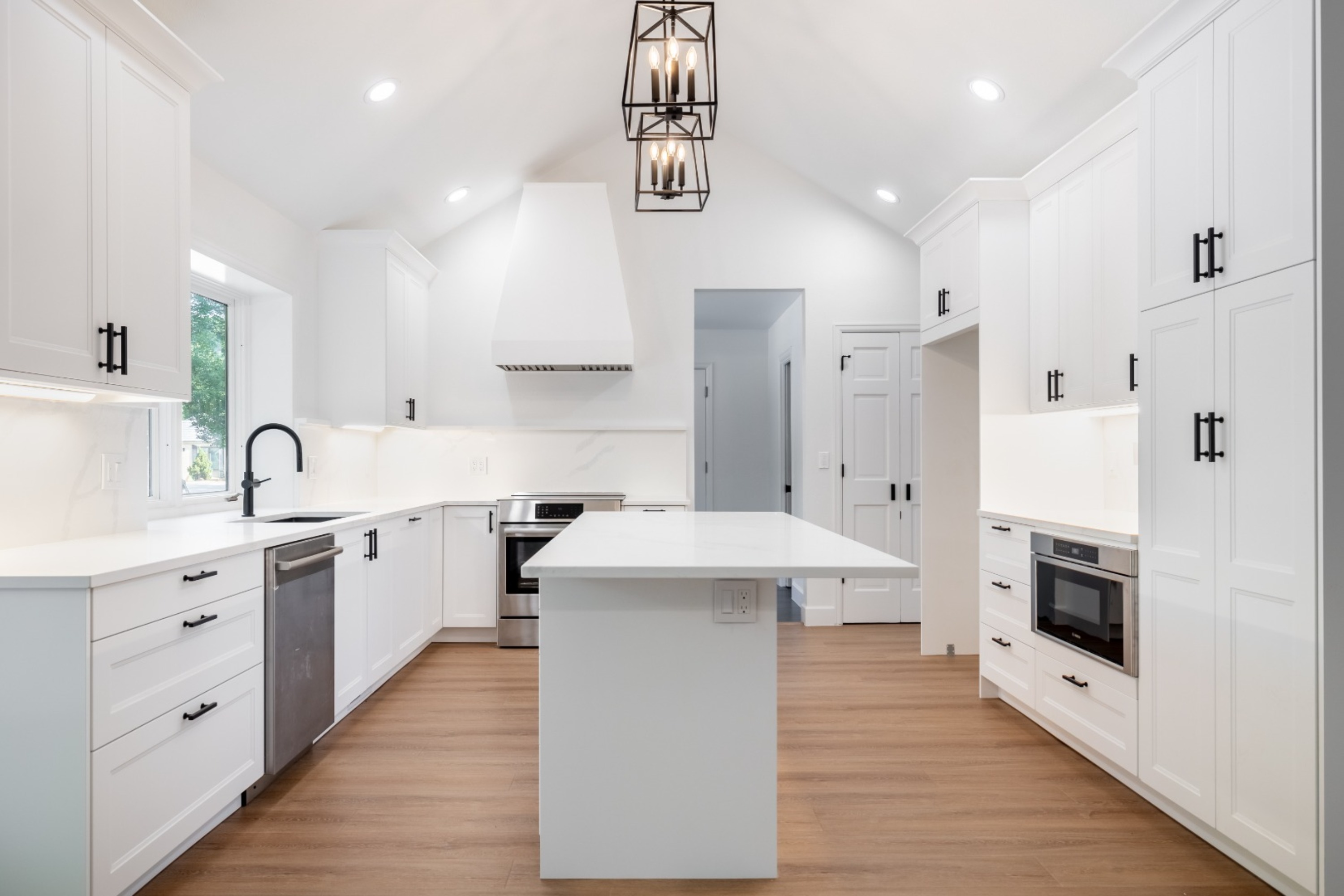
Hybrid approaches are common. A contractor may provide fixed fees for management, detailed allowances for selections, and cost-plus treatment for uncertain scopes such as excavation, structural repairs, or concealed conditions. The right structure depends on trust, documentation, and the level of design completion.
What matters most is not the label. It is whether the agreement explains how money moves, how changes are approved, how savings are handled, how allowances are reconciled, and how contingency is used. Reputable Colorado General Contractors will not resist these conversations. They will welcome them because clarity protects both parties.
A concise checklist for comparing Denver contractors
Use this as a practical filter when interviews begin to blur. A charming meeting is pleasant, but a contractor should stand up to scrutiny.
- Confirm experience with your specific project type, not just construction in general.
- Review a proposal for exclusions, allowances, supervision, schedule assumptions, and change-order process.
- Ask who will manage the site daily and how often you will receive formal updates.
- Speak with recent clients whose projects resemble yours in scale and complexity.
- Evaluate whether the contractor raises thoughtful concerns before construction begins.
This checklist is intentionally short because the real evaluation happens in conversation. Strong contractors do not simply say yes. They ask careful questions, identify constraints, and help the owner understand the consequences of decisions.
Where RKG Contracting fits in the comparison
Many owners searching terms such as Denver Contractors RKG Contracting or RKG Contracting General Contractors Denver are not merely looking for a name. They are looking for a contracting partner capable of handling substantial work with discretion, precision, and accountability. Whether evaluating RKG Contracting or any other Denver General Contractor, the same standards should apply. Look for evidence of organized preconstruction, reliable field supervision, respected trade partners, transparent budgeting, and a portfolio that demonstrates both technical control and refined taste.
The right contractor should be comfortable discussing difficult details. How will the home be protected during renovation? How will weather affect the schedule? What selections must be made early? Which parts of the design carry the most cost risk? What is the plan if the city review takes longer than expected? How will neighbors be handled when deliveries, dumpsters, and subcontractor parking become part of daily life?
Luxury construction is not frictionless. It is managed friction. The contractor’s role is to prevent ordinary complications from becoming defining memories of the project.
Renovation demands a different kind of client involvement
Renovations tend to be more intimate than new builds. The owner often has stronger feelings about what stays, what changes, and what must be protected. There may be children, pets, heirloom furniture, existing gardens, or neighbors accustomed to a quiet block. The project enters a living context.
Because of that, clients should expect more discussion around phasing and temporary conditions. If the family remains in the home, the contractor may need to establish dust partitions, negative air machines, temporary laundry access, security protocols, and safe circulation paths. If the renovation affects kitchens or bathrooms, sequencing becomes deeply practical. A beautiful design loses its charm if the household cannot function for months.
Renovation also requires faster decision-making once concealed conditions appear. If demolition reveals rotted framing or an undersized beam, the contractor, architect, engineer, and owner may need to respond quickly to avoid delaying trades. An experienced Denver General Contractor will prepare the owner for this reality early, including a reasonable contingency. For significant remodels, contingency is not pessimism. It is maturity.
Fine renovation work also benefits from mockups. A stain sample on existing oak, a plaster texture test, a cabinet profile, or a tile layout can prevent disappointment. In older homes especially, drawings rarely capture every visual transition. The best builders know when to pause and show the owner before committing.
New construction asks clients to decide earlier than expected
A ground-up custom home gives the impression of abundant time at the start. The site may still be dirt, the foundation not yet poured, and move-in far away. Yet many decisions must happen early to preserve the schedule. Windows, exterior doors, appliances, plumbing fixtures, lighting packages, specialty hardware, and mechanical systems can carry lead times that shape the entire project.
This surprises many owners. They expect to choose finishes when rooms feel real. Unfortunately, construction often needs those choices while the home is still abstract. Cabinet layouts affect electrical rough-in. Tub specifications affect framing and plumbing. Lighting plans affect ceiling structure. Exterior cladding choices affect waterproofing details. Waiting until the house “feels ready” can cause delays that ripple through the schedule.
Strong Denver Contractors Services should include selection tracking. The owner, architect, designer, and contractor need a shared understanding of what must be chosen and by when. This does not diminish creativity. It protects it. Rushed luxury selections often lead to compromise, while timely decisions allow proper procurement and execution.
Site logistics can make or break the experience
Denver’s desirable neighborhoods often come with tight sites. Alleys are narrow. Streets may have parking restrictions. Mature trees limit crane access. Adjacent homes sit close to property lines. Snow, mud, and spring storms can turn a casual site plan into a daily challenge.
For renovation, logistics may include protecting existing landscaping, maintaining household access, locating dumpsters without angering neighbors, and controlling dust migration. For new construction, logistics may involve excavation staging, concrete access, framing deliveries, temporary power, fencing, erosion control, and worker parking. These details sound mundane until they are mishandled.
Contractors in Colorado who understand high-end residential work know that the neighborhood experience matters. A clean, orderly site protects the owner’s reputation as much as it protects the schedule. Neighbors can become allies when they receive notice, see respectful crews, and observe consistent cleanup. They can become obstacles when noise, trash, blocked drives, or careless parking accumulate.
A polished contractor treats site logistics as part of the service, not an afterthought.
The role of design collaboration
Architects and designers bring the vision. Contractors bring the reality of assembly, sequencing, labor, procurement, and cost. The best projects do not place these roles in opposition. They create a productive tension where design intent and construction intelligence improve each other.
During renovation, the contractor may help the architect understand where existing structure limits a proposed opening, or where a lower-cost mechanical route preserves ceiling height. During new construction, the contractor may advise on exterior wall assemblies, waterproofing transitions, or finish sequencing. None of this replaces design expertise. It strengthens the path from drawing to built form.
When comparing General Contracting Services Denver firms, ask how they work with architects and interior designers. A contractor who dismisses design details may not suit a luxury project. A contractor who refuses to discuss budget realities may also create problems. The ideal partner respects design ambition while keeping the project buildable.
Red flags that deserve attention
Most owners sense when something feels off, but construction can be unfamiliar enough that they ignore the signal. Certain patterns deserve caution.
A contractor who provides a vague lump sum for complex work may be leaving too much undefined. A contractor who says permitting will be easy without reviewing the specifics may be overconfident. A contractor who pressures for a quick signature before clarifying scope may be prioritizing backlog over fit. A contractor who cannot identify who will supervise the project day to day may lack operational depth. A contractor who speaks poorly of every architect, inspector, or previous client may bring conflict into the work.
Luxury construction requires trust, but trust should be earned through clarity. A professional contractor will be candid about risks and respectful of the owner’s need to understand them.
The best choice depends on the project, not the slogan
Searches for general contractors denver, Contractors in Denver, Building Contractors Denver, or General Contractor Denver will produce a long list of firms with polished language and attractive photography. Some will be excellent at large custom homes. Others will shine in whole-house renovations. Some will be better suited to commercial tenant improvements or production-style work. The right comparison begins with fit.
If your project is a historic renovation, look for evidence of careful integration, respect for existing architecture, and comfort with unknowns. If your project is new construction, look for scheduling discipline, preconstruction depth, and a strong subcontractor network. If your project is a luxury residence with bespoke finishes, look for both. Beauty without management becomes expensive. Management without taste becomes blunt.
Denver rewards contractors who combine mountain pragmatism with urban refinement. The climate is demanding, the permitting environment is detailed, the neighborhoods are varied, and the clients are increasingly sophisticated. Whether you are evaluating Colorado Contractors for a major renovation or comparing Denver General Construction Contractors for a new custom home, the decision should rest on more than price. It should rest on confidence.
A fine contractor brings order to complexity. They protect the design, the budget, the schedule, the property, and the owner’s peace of mind. For a renovation, that may mean revealing the old bones of a house carefully enough to give it another century of life. For new construction, it may mean turning an empty lot into a residence that feels inevitable, composed, and deeply personal. In both cases, the work deserves a partner who understands not only how buildings are assembled, but how exceptional homes are truly made.
RKG Contracting
575 E 49th Ave, Denver, CO 80216
Phone (720) 477-4757
Find us on https://www.facebook.com/profile.php?id=61555961237845&mibextid=wwXIfr
https://www.forbes.com/search/?q=https://heavyhanded.la/